
When the board isn't listening

How to organize a peaceful protest for protective school policies.

A protest is not where a campaign starts — it is where a campaign goes when the board has been given a clear ask and has not acted. When that moment comes, a well-organized public demonstration can shift the pressure and show decision-makers that the community is serious.

Is a protest the right next step?

Before organizing a protest, make sure your campaign has already done the groundwork. A protest lands hardest when the board has already had the opportunity to act and declined. If you haven't been through the campaign steps yet, start there.

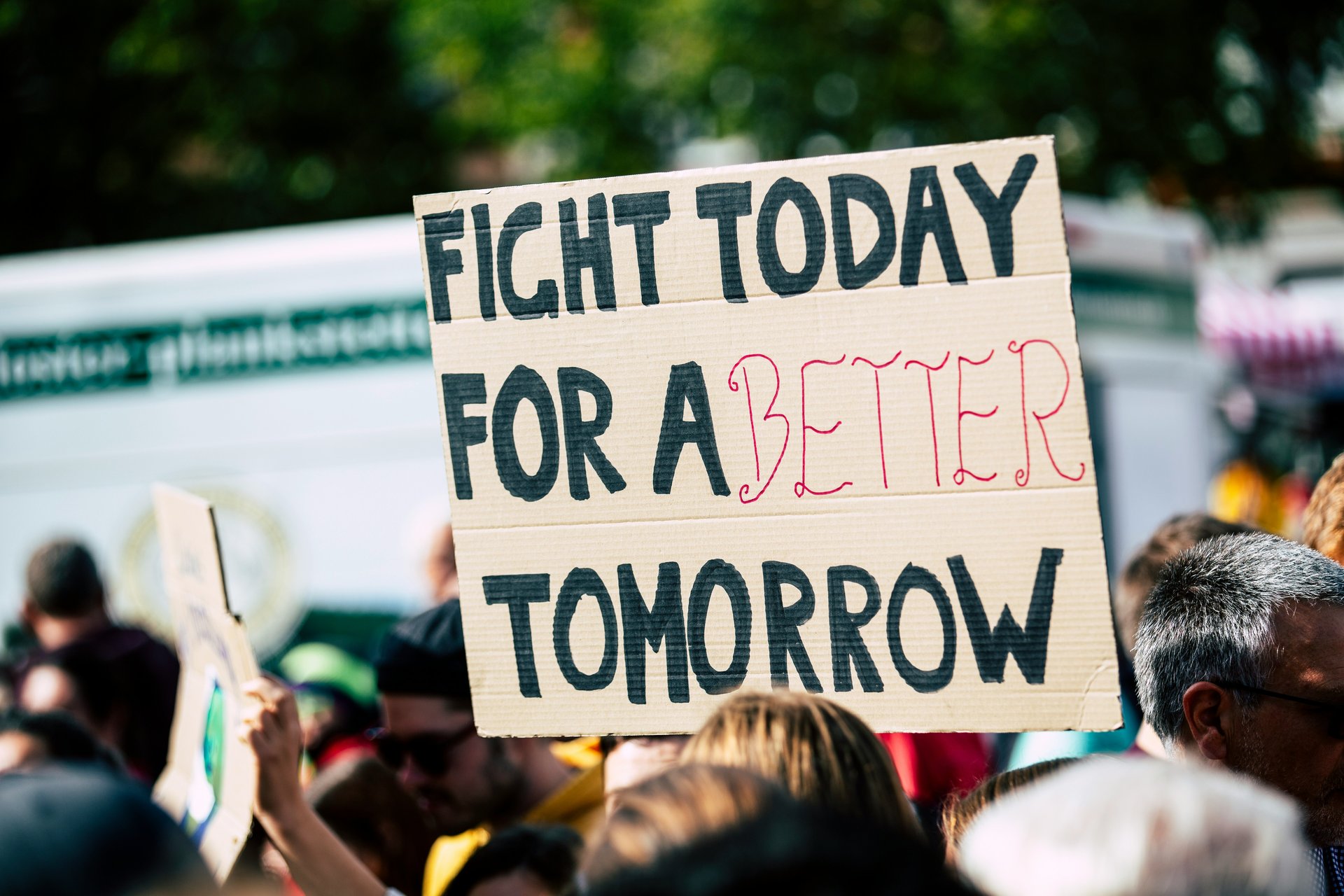
Person holding a protest sign

Before you start

A successful protest starts with clear goals and solid preparation. Know what you are asking for before you ask anyone to show up.

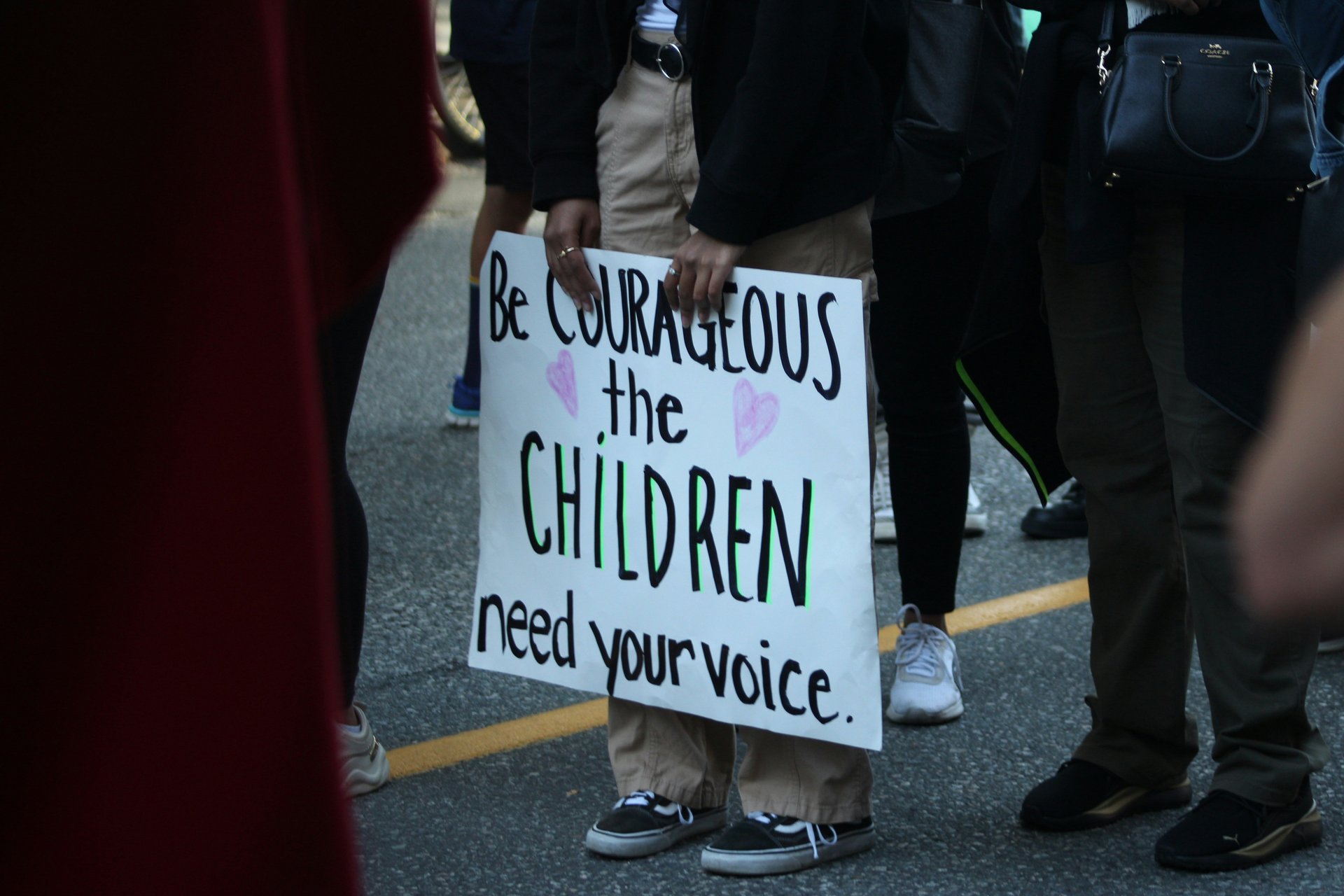
Person holding a sign about children needing a voice

Know your ask

Your protest should reinforce a specific demand that the board has already heard. For this campaign, that means calling on your school board to adopt a written policy requiring a judicial warrant before immigration enforcement is permitted on school grounds.

  • Know which board members have been approached and how they responded.
  • Be able to state the demand in one clear sentence.
  • Have a next step ready — a petition, an upcoming board meeting, a public letter.
  • Make clear the protest is about action, not just attention.

Planning your event

Planning notes and ideas

Choose your location and time

Protests near school board offices, district headquarters, or during board meeting nights are most visible to decision-makers. Check local permit requirements for gatherings on public property. A Tuesday evening before a board meeting can be especially effective.

People organizing in a meeting

Build your team

You do not need a large organization to hold a protest. Start with a small planning group of three to five people. Assign clear roles: someone to handle logistics, someone to recruit attendees, someone to manage communications, and someone to coordinate with media if relevant.

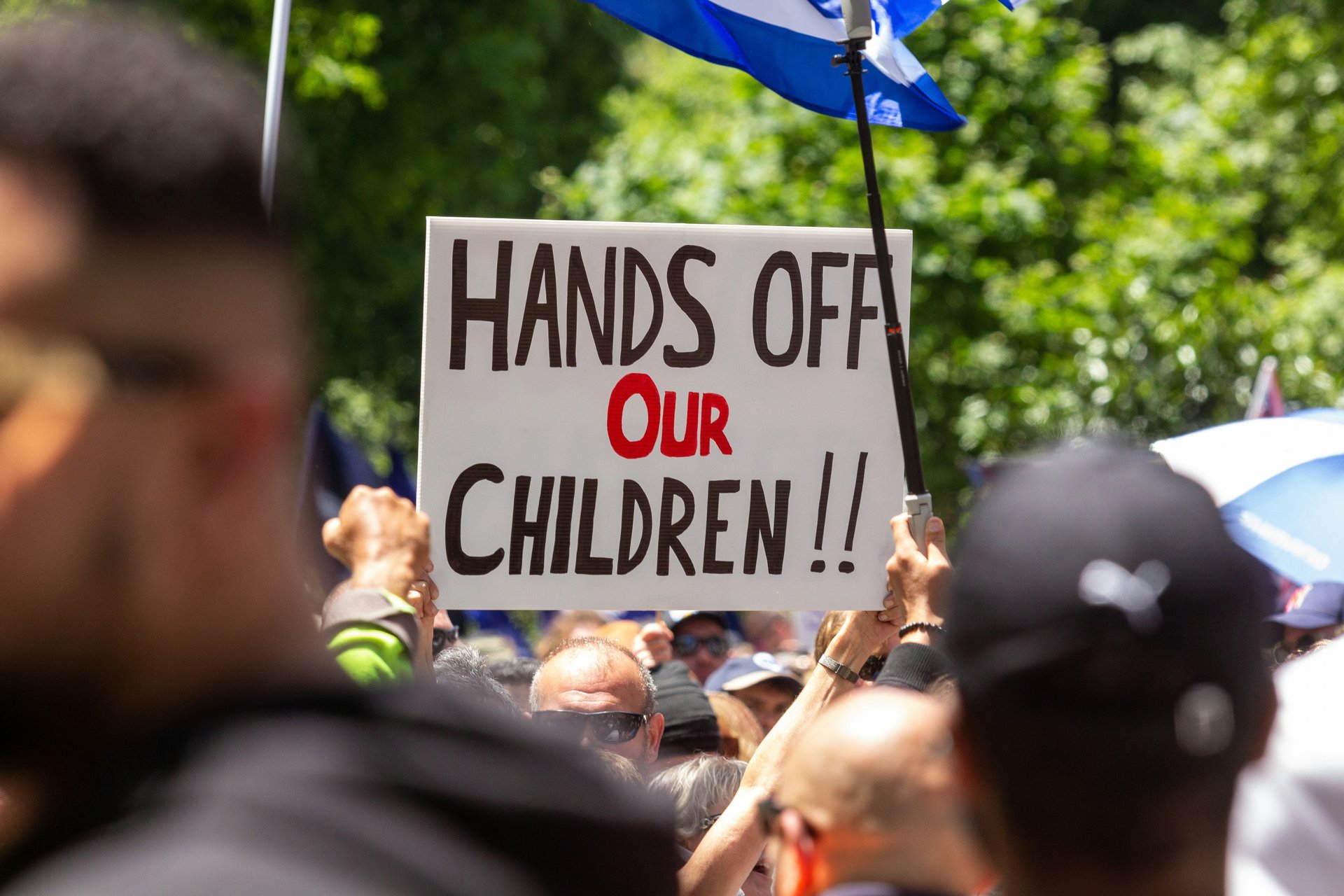
Protester holding a sign

Create clear materials

Signs, flyers, and chants should stay focused on your specific ask. Avoid messages that can be misread or that shift the focus away from school safety and due process. Graphic design volunteers can help create consistent, shareable visual materials.

Day-of checklist

  • Arrive early to set up and greet attendees.
  • Designate a spokesperson or emcee to keep things focused.
  • Have printed materials and sign-up sheets available.
  • Brief attendees on the specific ask before the event begins.
  • Keep the event peaceful, lawful, and on-message.
  • Document the event with photos and video for follow-up communications.
  • Collect contact information from attendees to build your list.
  • End with a clear next step — the board meeting date, a petition link, a follow-up event.
Person holding a sign about children needing a voice

After the protest

A protest is most effective when it is part of a larger campaign, not a one-time event. What happens after matters as much as the event itself.

Follow up with attendees

Send a thank-you message with the next action step. Keep the people who showed up engaged and moving forward.

Share coverage

Share photos, video, and any press coverage across social media and in community networks. Visibility builds momentum.

Show up to the board meeting

Public comment at a school board meeting is where policy actually changes. Bring people from the protest to speak on the record.

Document and report

Keep a record of attendance, media mentions, and board responses. This builds the case for continued pressure and shows progress over time.

Ready to take the next step?

A protest is most powerful when it is part of a sustained campaign. If you haven't already worked through the board meeting process, start there. If you have and the board still hasn't acted — it's time.