
1. Research your district
Find out whether your district already has a written policy. Review publicly available board minutes and policies. Identify your board members and when they are up for election.
School boards respond to their communities. When parents, educators, and students organize together and bring a clear, specific request to their board, they get results. Here is how those campaigns work.
A campaign to get a school district to adopt a warrant-based policy does not require a large organization or significant resources. It requires a small number of committed people, a clear request, and persistence.
Find out whether your district already has a written policy. Review publicly available board minutes and policies. Identify your board members and when they are up for election.

Find other parents, educators, faith leaders, and community members who share the concern. A group of five to ten active people is often enough to begin.

Be specific. Ask the district to adopt a written policy requiring a judicial warrant before immigration enforcement officers can access non-public school areas or remove a student. Bring the research. Come with a draft if you can.

Before going to the board, meet with the superintendent or other district administrators. Many will be receptive. Some may already be working on the issue internally and looking for community support.
Attend board meetings. Speak during public comment. Bring supporters. Follow up in writing. Consistent attendance over multiple meetings signals that this is not a one-time concern.

When a district adopts a policy, share the news. Document what worked. Your experience can help other communities do the same.
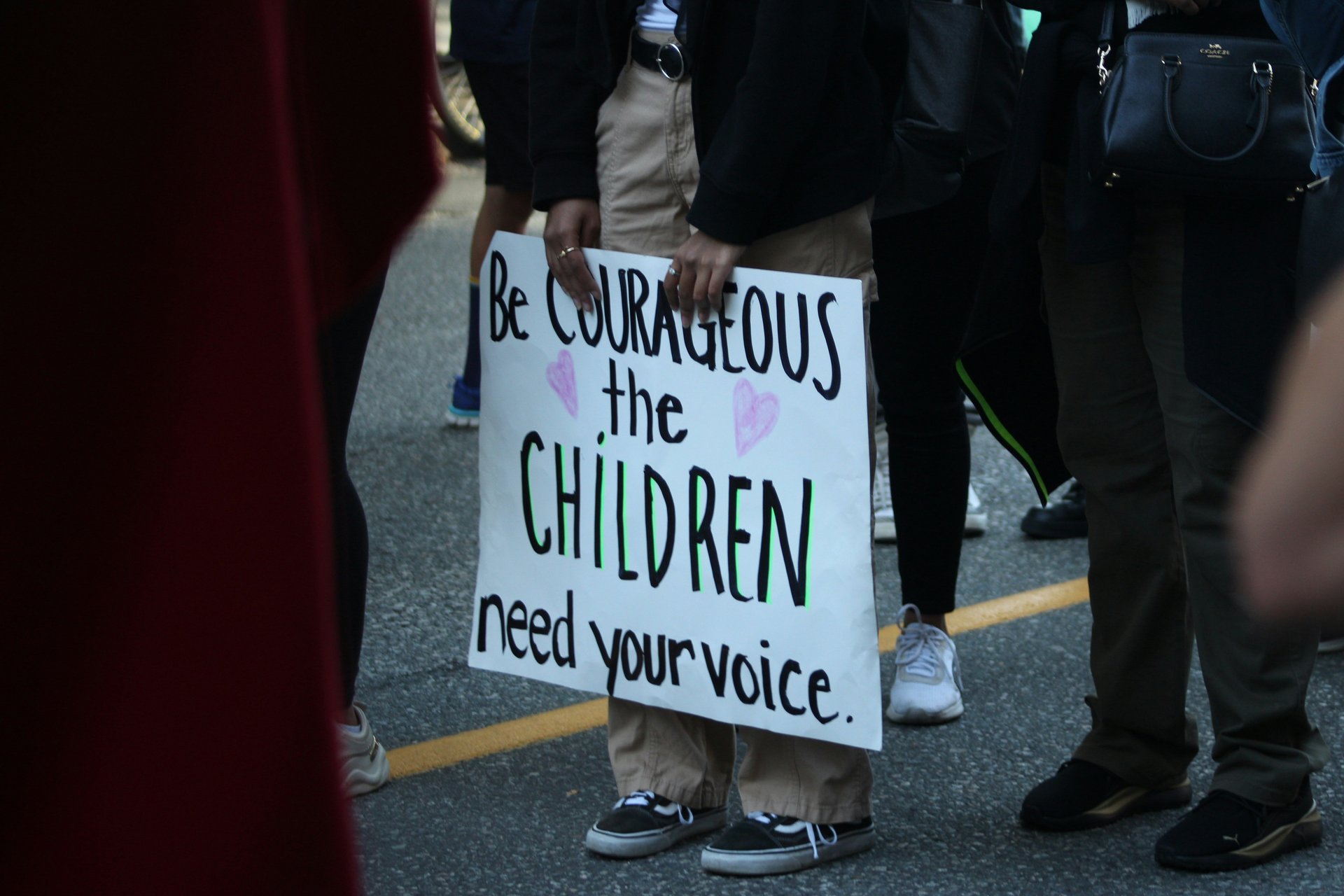
Board meetings and administrator outreach are the right first steps. Most districts that have adopted protective policies did so through that process. But if the board is unresponsive after sustained effort — missing meetings, deferring indefinitely, refusing to engage — a public protest can shift the dynamic.
A protest is most effective when it comes after the board has already been given a clear ask and multiple opportunities to act. It demonstrates that the community is serious, organized, and not going away. It is a next step, not a first step.


Dozens of school districts across the United States have adopted protective policies requiring judicial warrants or otherwise limiting school cooperation with civil immigration enforcement. These include large urban districts and smaller suburban and rural systems.
Several California school districts, including Los Angeles Unified, have adopted sanctuary-school or safe-school policies that limit cooperation with civil immigration enforcement and require proper legal process before access is granted.
Chicago Public Schools and other Illinois districts have adopted policies that restrict school staff from assisting in civil immigration enforcement and require judicial warrants before school access is granted.
New York City and other New York districts have adopted strong sanctuary-school commitments, including written policies covering warrant requirements, staff training, and family communication.
The number of districts adopting protective policies has grown significantly since 2017, and again since 2025. Local organizing in communities across the country continues to expand the map.
Every district that adopts a protective policy reflects a community that organized, showed up, and made a clear, persistent ask.