Taking action in school

Students can protest. Know the rules before you act.

Students have the right to express their views in school — but those rights come with real limits. The most effective student-led actions understand both what is allowed and what may lead to discipline. This page focuses on how to take action safely, effectively, and within school rules whenever possible.

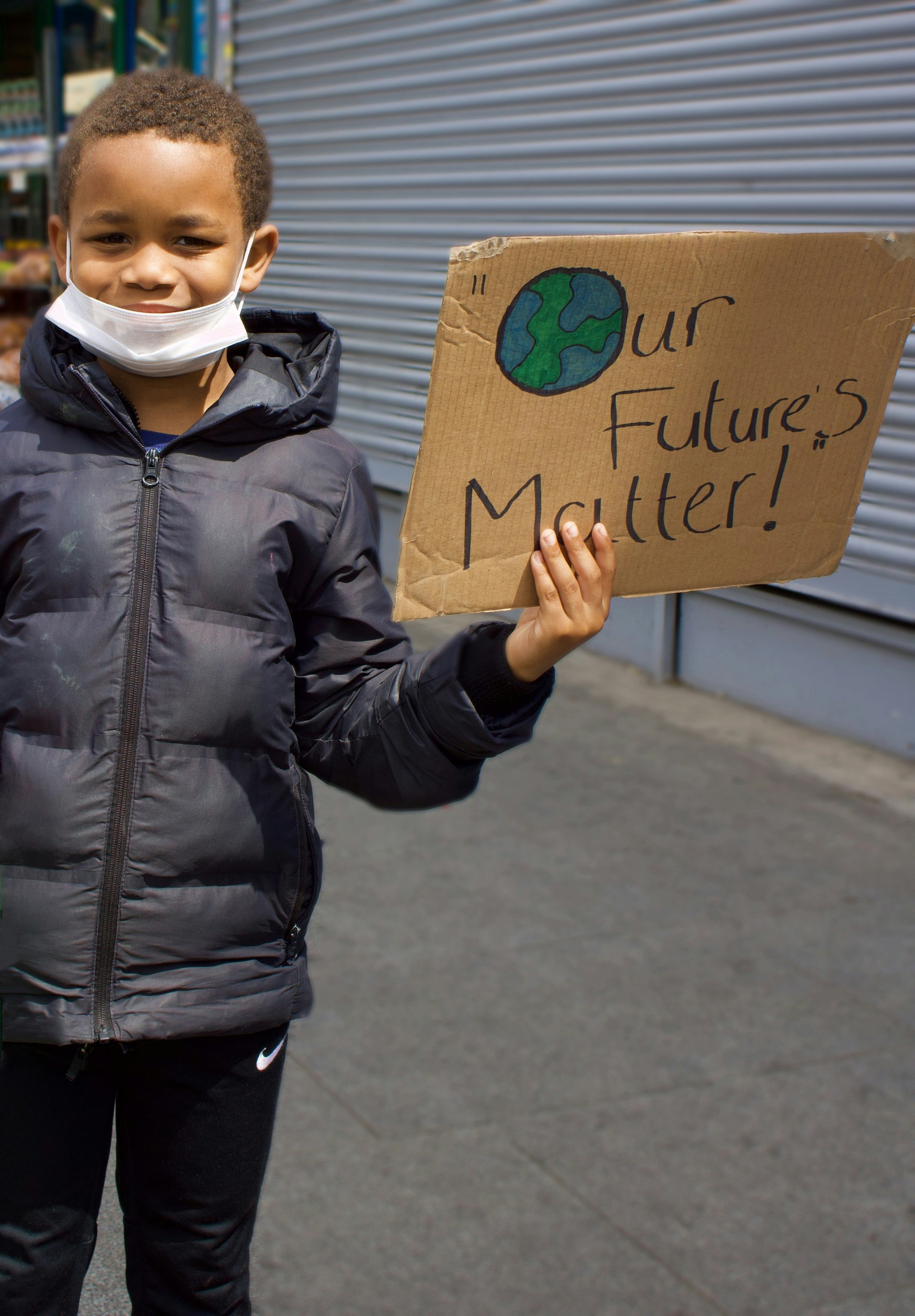
Young person holding a sign about students' future

Your rights are real — and they have limits

The Supreme Court established in Tinker v. Des Moines (1969) that students do not lose their First Amendment rights at the schoolhouse gate. You can wear expressive clothing, distribute materials, and speak out on issues you care about.

But schools can stop or discipline protests that materially disrupt learning or school operations. Understanding where that line is helps you act in ways that are both protected and effective.

What you can do at school

Students do not lose their right to free speech at school. You can wear expressive clothing, distribute materials, and speak out — as long as it does not disrupt school operations.

Expressive clothing

Wearing shirts, headbands, buttons, or stickers with a message is one of the most protected forms of student speech. Passive, silent expression is strongly protected under Tinker as long as it does not target or harass other students.
Handing out materials

You can share flyers or printed information with other students. This is most protected when done before school, after school, during lunch, or between classes — not during instruction.

Talking with classmates

Talking with other students about issues you care about is protected speech. Conversations during free periods, lunch, and passing time are far less likely to raise school concerns than activity during class.

Organizing outside instruction

Organizing during lunch, passing periods, and before or after school keeps your activity clearly outside instructional time — which gives you stronger legal footing and is less likely to draw administrative pushback.

Limits during school hours

Schools can regulate protest activity that crosses into disruption. Knowing these limits is not about backing down — it is about choosing actions that are harder to shut down.

  • Do not disrupt classes or stop instruction
  • Do not block hallways, entrances, or exits
  • Do not prevent other students from getting to class or learning
  • Do not leave campus without permission during the school day

Schools cannot punish you more harshly because of your message or viewpoint — but they can and do enforce rules against disruption. Stay on the right side of that line.

School hallway

About walkouts

Walkouts are a visible and powerful form of protest — but they come with real consequences worth understanding before you decide.

Students outside school

Walkouts are protected — attendance rules still apply

Students may choose to walk out as a form of protest, and schools cannot discipline you more harshly simply because of the message. But schools can — and typically do — enforce normal attendance rules.

  • Leaving during the school day without permission is usually an unexcused absence
  • Consequences may include detention or other standard attendance discipline
  • Your school cannot treat you worse because of the political nature of the walkout
  • Going in knowing the consequences lets you make an informed choice

A walkout that ends with students facing attendance discipline and no follow-up plan often loses momentum quickly. Think through what comes next before you walk out.

Ways to take action without getting shut down

Some of the most effective student actions are also the ones least likely to draw administrative interference. These options let your message land while keeping you on solid ground.

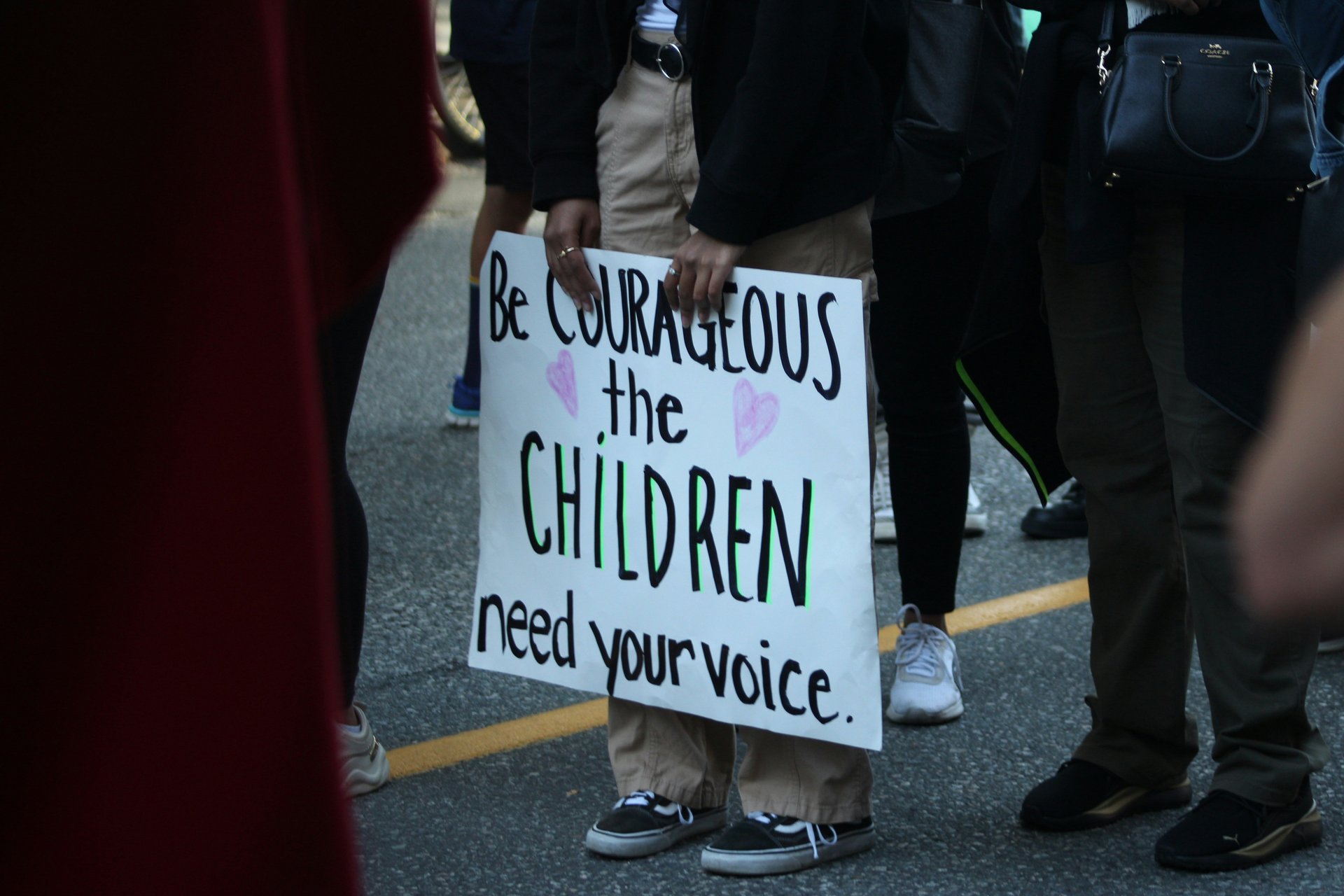
Person holding a sign about children needing a voice

Passive protest (highly recommended)

Wearing headbands, specific colors, or shirts with a message is one of the most protected forms of student speech under Tinker. Carrying small signs in permitted areas adds visibility without creating disruption. This approach is hard to shut down and visually powerful when coordinated across a group.

High school cafeteria

Coordinated moments (low risk)

A silent protest during lunch, a group gathering before or after school, or a coordinated moment of silence takes almost no organizational infrastructure and is very difficult for a school to stop. Timing matters: outside instructional hours means fewer legal and administrative complications.

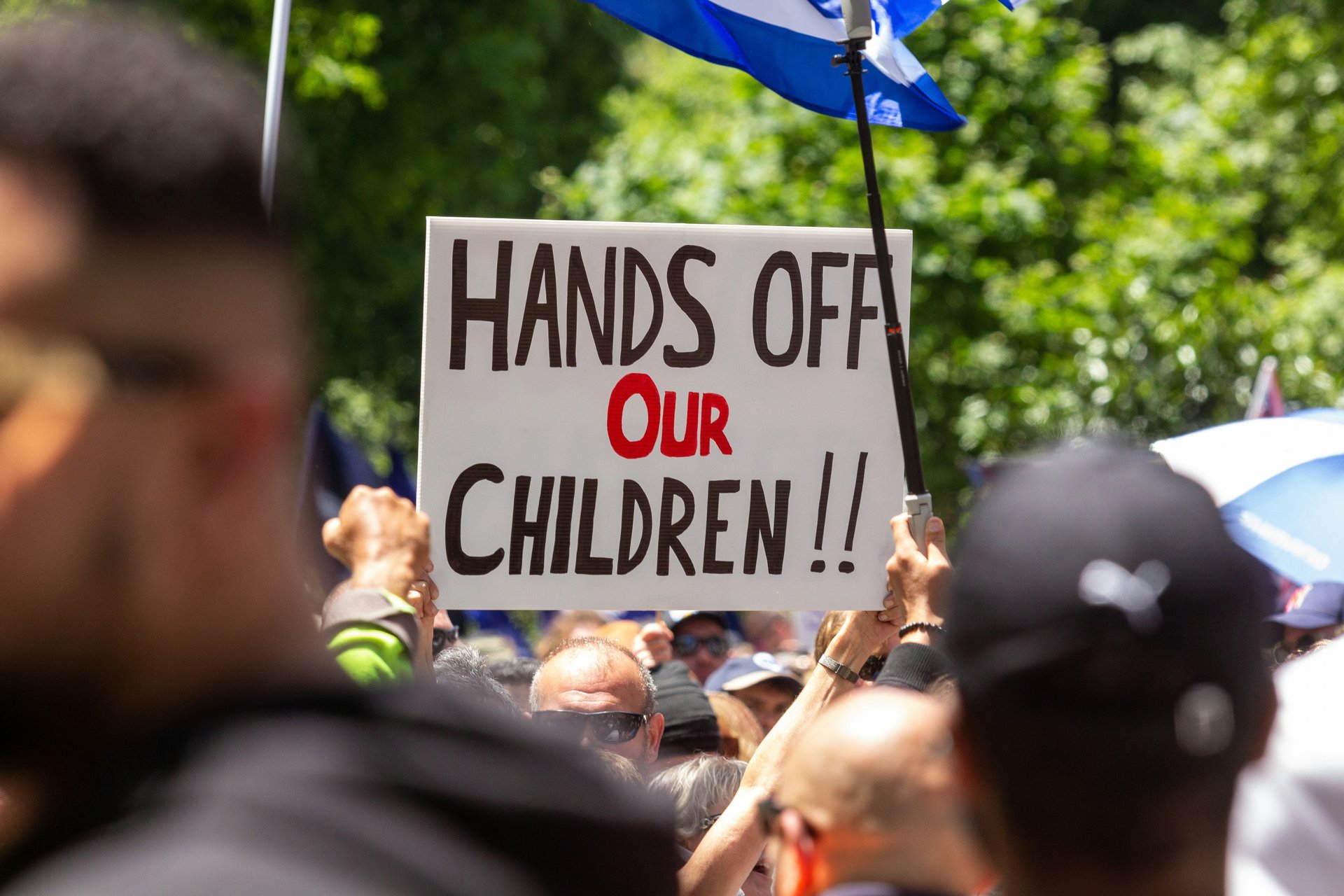
Protester holding a sign

Chants and group action

Chants and group demonstrations are most effective — and most protected — during lunch or outside school hours. During instructional time, chanting risks crossing into disruption territory and giving administration grounds to intervene. Timing your action well makes it harder to stop.

Information sharing

Digital organizing is often more powerful than in-school action and carries almost no school-related risk. Use what you already have.

  • Share links and information in group chats and social media
  • Hand out flyers before or after school
  • Post on school social accounts where you have access
  • Write to your student newspaper or student council
  • Coordinate with students at other schools in your district
Students using phones and connecting

What makes student protests effective

Stay focused on a clear message

One specific ask — a written policy, a board vote, a meeting with a superintendent — is far more effective than a general demonstration of frustration. Decision-makers respond to concrete demands.

Avoid escalation with staff

Teachers and administrators enforcing school rules are not usually your target audience. Staying calm and respectful in those interactions keeps the focus on your message, not on the conflict.

Work with supportive adults

A teacher, counselor, or parent who is sympathetic to your cause can help navigate school rules, connect you to community organizers, and show decision-makers that this is not just a student issue.

Schools can regulate time, place, and manner

Schools are allowed to set rules about when and where protests happen — but they cannot regulate based on viewpoint. Know the difference, and use it when your school tries to stop something that is actually protected.

Keep yourself and others safe

Keeping protests physically safe protects participants and prevents your action from being shut down on safety grounds rather than on the merits.

  • Do not block emergency exits or access routes
  • Do not run or create crowding in hallways or stairwells
  • Do not engage with outside groups or adults during school hours
  • Stay aware of your surroundings and look out for other students

Schools often restrict outside access during protests to maintain safety for students inside. If outside organizers show up at your school, be cautious — their presence can shift administrative focus away from your message.

Students collaborating together

Quick takeaway

The safest and most effective student actions are visible, organized, and non-disruptive. If your goal is long-term change — a policy the board actually adopts — staying within school rules builds more support and momentum than actions that hand administrators an easy reason to shut things down.

  • Highest protection, lowest risk: Expressive clothing, silent coordinated action, before/after-school organizing
  • Effective with planning: Walkouts — go in knowing the attendance consequences and have a follow-up plan
  • Always protected: Your viewpoint. Schools cannot stop your message — only its time, place, and manner

Learn more about your rights

These organizations provide free, practical guidance on student protest rights.

Students Demand Action

Walkout Activation Toolkit — step-by-step guidance on organizing a student walkout, from planning through follow-up.

Advocates for Youth

Youth Activist Toolkit — practical organizing guidance for young people, including how to plan actions and communicate your message.

National Center for Youth Law

Know Your Rights: Student Protests — plain-language overview of what students can and cannot do, and what happens if your rights are violated.

Ready to take action?

Student voices matter — especially to school boards making decisions about policy. The most effective next step is often showing up at a board meeting and speaking on the record.