Political and social speech
Students can express political opinions, wear clothing with political messages, and advocate for causes — as long as the expression does not cause substantial disruption and is not targeting or harassing other students.
The Supreme Court has ruled multiple times on student speech rights. Understanding what is protected — and what is not — helps students, educators, and parents navigate the line between expression and disruption.

In 1969, the Supreme Court decided Tinker v. Des Moines Independent Community School District. Students had been suspended for wearing black armbands to protest the Vietnam War. The Court ruled in their favor.
The ruling established that student expression is protected by the First Amendment unless it causes a substantial disruption to the educational environment or infringes on the rights of others. A school cannot prohibit speech simply because administrators disagree with it or find it uncomfortable.
This is still the governing standard for most student expression in public schools.
Students can express political opinions, wear clothing with political messages, and advocate for causes — as long as the expression does not cause substantial disruption and is not targeting or harassing other students.
Students have the right to organize and participate in peaceful protests. Schools may impose reasonable time, place, and manner restrictions, but cannot prohibit protest based on the viewpoint expressed.
The Supreme Court addressed off-campus student speech in Mahanoy Area School District v. B.L. (2021), finding that schools have limited authority to regulate off-campus student expression, particularly on social media.
Wearing symbols, armbands, buttons, or other forms of passive expression that do not disrupt the school environment are generally protected under Tinker.
In Hazelwood School District v. Kuhlmeier (1988), the Supreme Court allowed schools to exercise editorial control over school-sponsored activities — like a student newspaper — if the restriction is reasonably related to legitimate educational concerns.
This means schools have more authority to regulate speech in the context of school-sponsored activities (student newspapers, class presentations, school plays) than they do over independent student expression.

Schools can restrict speech that causes or is reasonably likely to cause a substantial disruption to the educational environment. This is a real standard — not just offense or disagreement.
Speech that constitutes harassment or targeted attacks on specific students can be regulated even if it would be protected in other contexts. Schools have a duty to maintain a safe environment for all students.
In Bethel School District v. Fraser (1986), the Court held that schools can discipline students for vulgar or lewd speech that is inconsistent with the school's educational mission.
Under Hazelwood, schools have greater authority to regulate speech that appears to bear the school's imprimatur — like the content of a school newspaper or a class assignment.
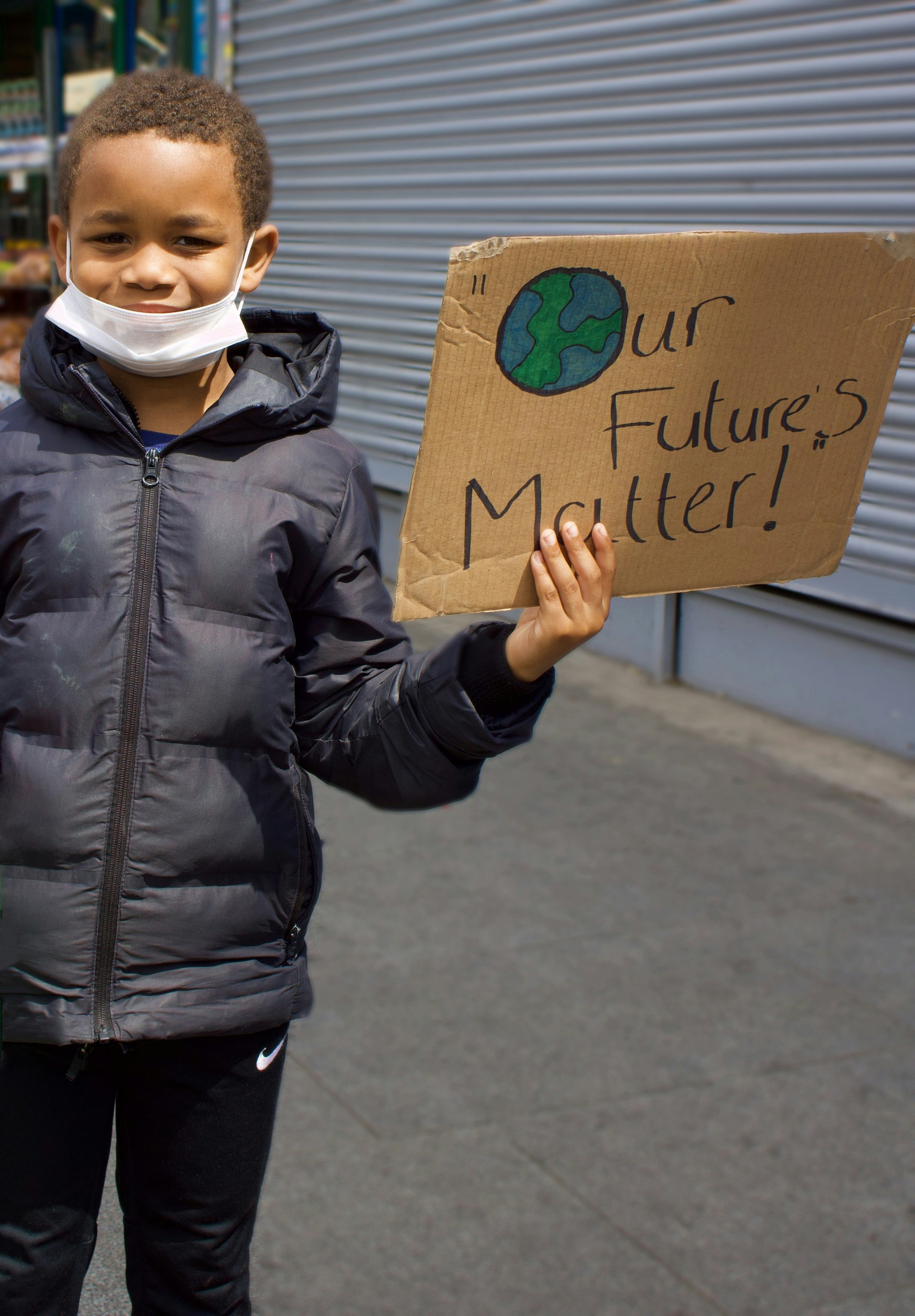
Students expressing views about immigration policy, school safety policies, or related issues are generally engaged in protected political speech under Tinker. Wearing symbols, organizing walkouts, speaking at school board meetings, and writing letters are all forms of expression with First Amendment protection.
Schools cannot prohibit this expression simply because it is controversial or because administrators disagree with the viewpoint. The test is whether the expression causes substantial disruption — not whether it is uncomfortable.
Students who are penalized for peaceful political expression should know they have rights and should speak with a lawyer or contact organizations like the ACLU if they believe their rights have been violated.
Student expression on issues of public concern — including school safety and immigration policy — is protected by the First Amendment.