Student and community action

Students, families, and educators across the country are speaking out.

The movement to protect schools from immigration enforcement has grown significantly since 2017 and accelerated again in 2025. Protests, walkouts, and public demonstrations have been a visible part of that movement.

Why students and families are speaking out

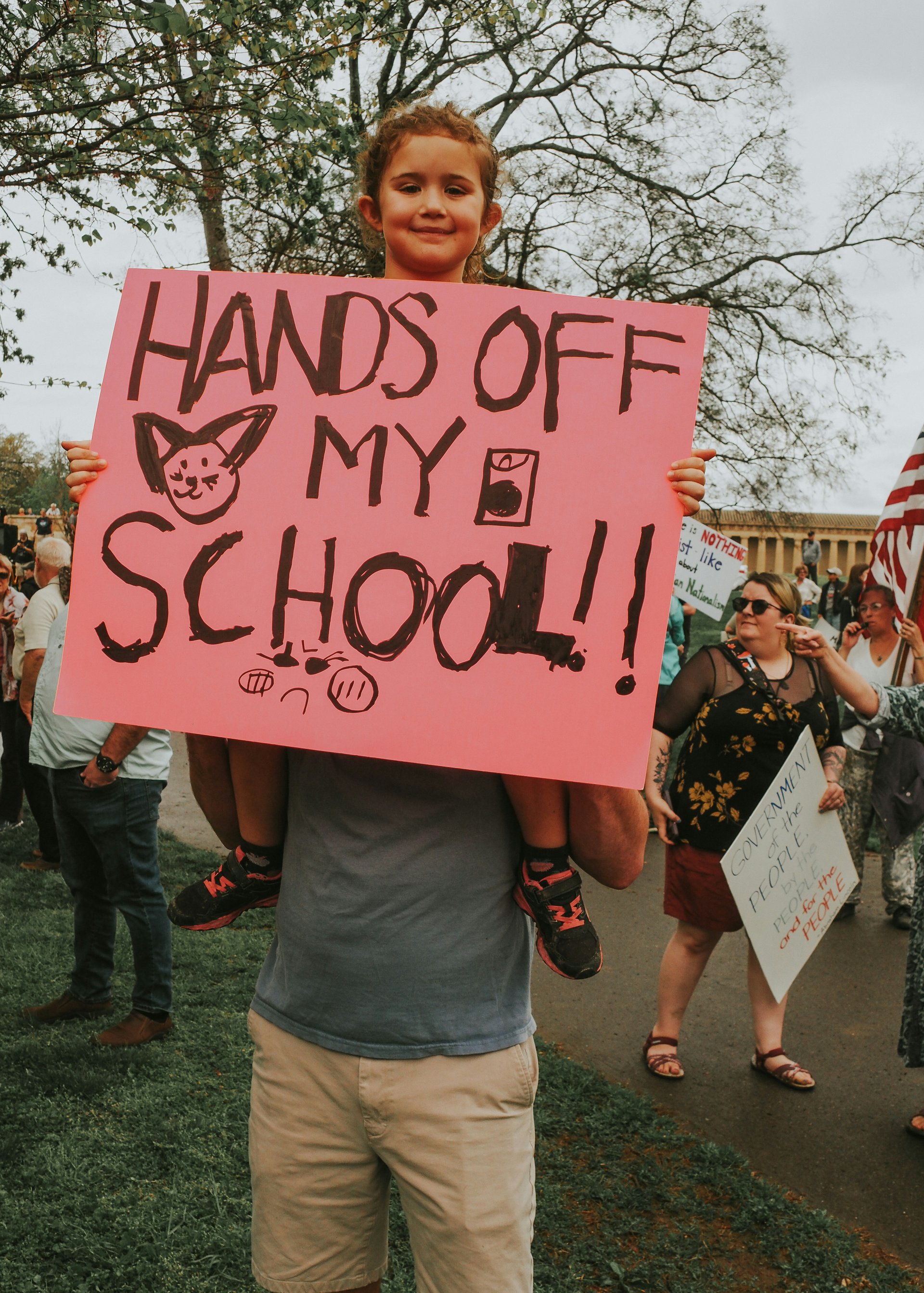
A young person at a school protest

This is an education issue

Students who participate in protests and advocacy around school safety are often directly affected by the policies they are pushing back against. They have watched classmates stop coming to school, seen teachers struggle to explain why families are leaving, and experienced firsthand what it means when learning is disrupted by fear.

They are also exercising their constitutional rights. The Supreme Court established in Tinker v. Des Moines that students do not shed their First Amendment rights at the schoolhouse gate. Peaceful protest and political expression on issues of public concern are protected forms of speech.

Forms of protest and advocacy

Student walkouts

Student walkouts — organized absences from class as a form of protest — have been a visible form of advocacy at schools across the country. These have been organized in response to both national policy shifts and local enforcement incidents.
Community marches and demonstrations

Parents, students, educators, and community members have organized public demonstrations at school buildings, district offices, and community centers to demand protective school policies.

School board advocacy

Many of the most effective actions have happened at school board meetings, where community members have spoken during public comment to demand written policies, share personal stories, and press board members to act.

Social media and online organizing

Students and advocates have used social media to share information, coordinate actions, document incidents, and build broader public awareness around school safety and immigration enforcement.

What protesters are asking for

Across many different communities, the core demands have been consistent:

  • Written district policies requiring judicial warrants before immigration enforcement access is granted
  • Clear training for school staff on how to handle enforcement requests
  • Protection for student records from unauthorized disclosure
  • Family communication about what protections exist
  • A public statement from district leadership about the district's commitment to all students
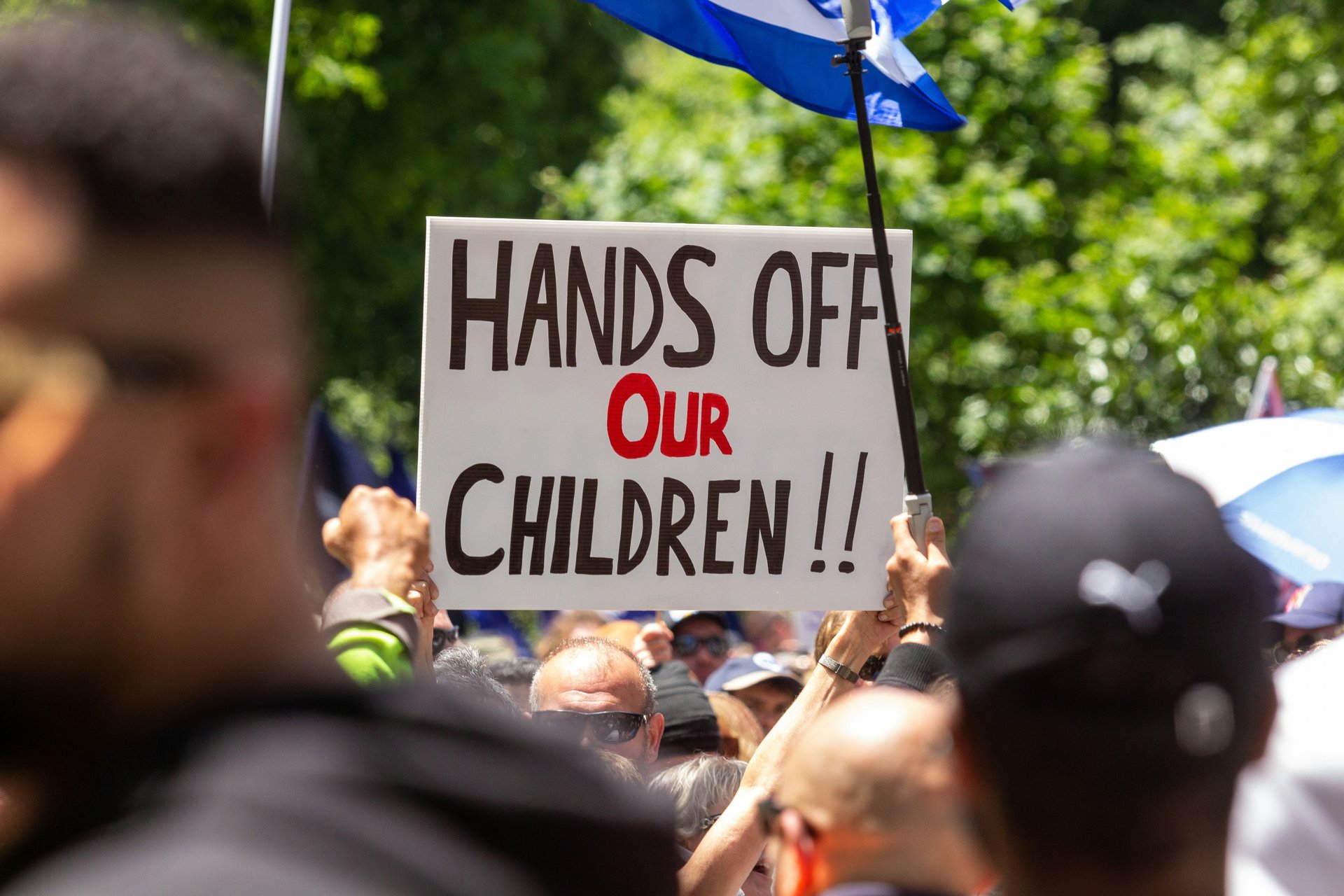
Protest with a sign reading 'Hands Off Our Children'
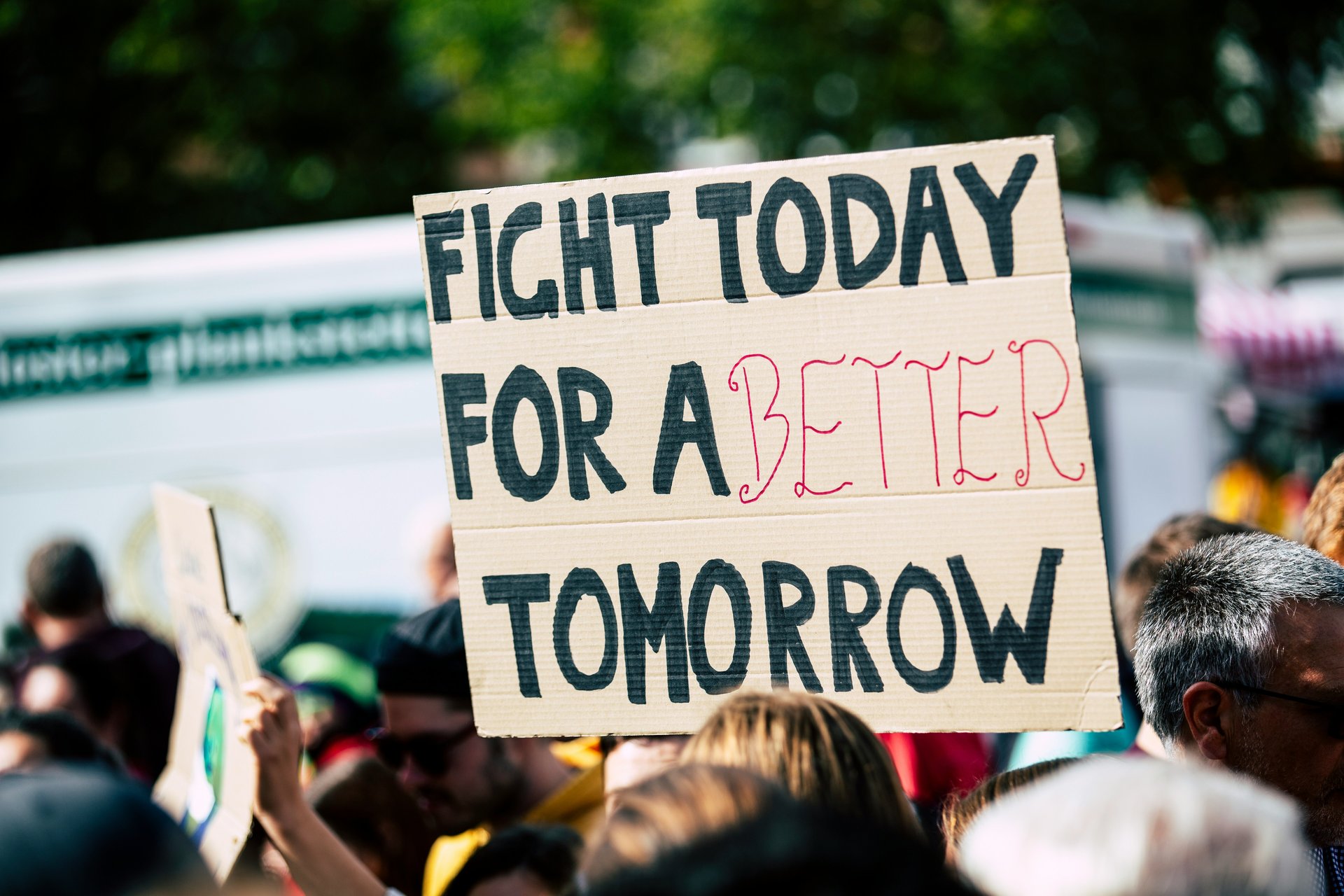
Person holding a sign about fighting for a better tomorrow

If you want to organize or participate

Peaceful protest is a protected form of expression. If you are organizing or participating in protest activity related to school safety, a few things to keep in mind:

  • Students have First Amendment rights, including the right to peaceful protest
  • Schools can impose reasonable time, place, and manner restrictions on when and where protest happens
  • Know what your school's policies are before organizing a walkout or demonstration on campus
  • Document your activities and keep records of any responses from school administrators
  • Connect with local legal resources if you believe your rights have been violated

Student voices matter in this fight.

Protests, advocacy, and civic engagement are how communities push for the policy changes that protect students and keep schools focused on learning.