
Share this site
The resources on this site are designed to be shared. Share pages with parents, teachers, school board members, and anyone else who might be interested.
Change at the district level happens when community members — parents, students, educators, and neighbors — make the case to their school board. Here is where to start.
School boards adopt district policy. That makes board members the most direct target for advocacy on this issue.

Be specific. Ask the board to adopt a written policy that: requires a judicial warrant before immigration enforcement officers are permitted to enter non-public school areas, prohibits the removal of a student without proper legal authority, includes a response protocol for staff, and includes family communication procedures. Specific requests are harder to defer than vague ones.
School principals and district administrators can champion policy changes from inside the system. They are also the people who have to implement any policy that passes.
Many school leaders want clearer policies but have not pushed for them because the demand has not come from the community. Conversations with your child's principal, with teachers you know, or with district-level staff can shift that.

The resources on this site are designed to be shared. Share pages with parents, teachers, school board members, and anyone else who might be interested.

Parent-teacher organizations, faith communities, neighborhood groups, and local advocacy organizations may already be working on related issues. Connecting with them multiplies your reach.

Local newspapers reach school board members and administrators. A letter to the editor focused on school policy — grounded in evidence, not rhetoric — can shift local conversation.
Understanding constitutional rights is part of being prepared. Students, families, and school staff all have rights in encounters with immigration enforcement.

Campaigns for protective school policies need people willing to do the work: research, outreach, translation, social media, and community organizing. If you want to contribute more than a letter or a meeting, we can use your help.
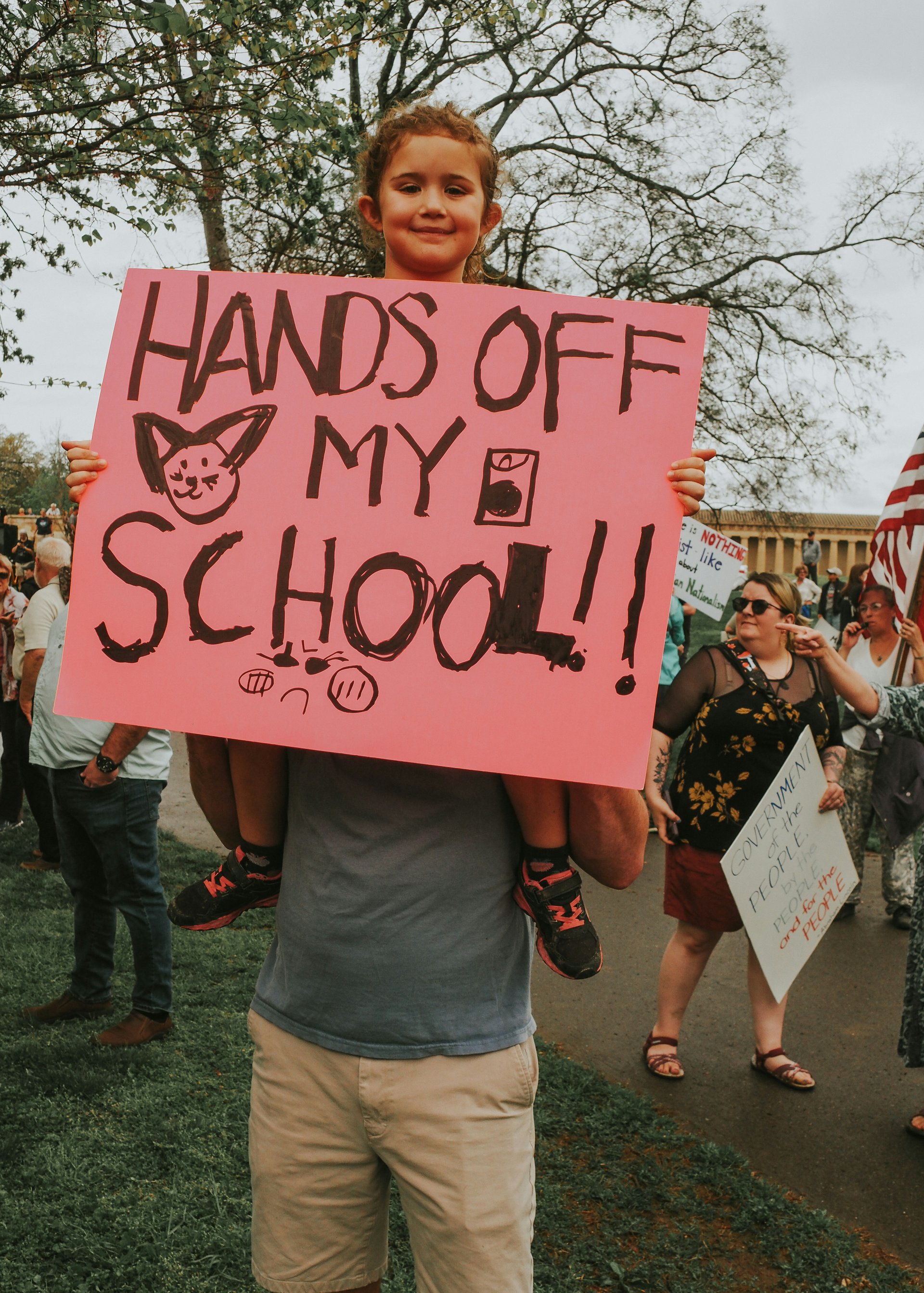
School boards respond to their communities. Consistent, informed, respectful advocacy is how districts adopt protective policies.