Community safety

How Students and Communities Are Keeping Classmates Safe

Across the United States, students, parents, and educators are taking real, practical steps to protect each other from immigration enforcement. These actions are not theoretical — they are already happening in schools and communities today.

Actions That Are Keeping Students Safe

1. Watching out for each other on the way to school

In Minnesota, community members actively monitored routes to school after reports of ICE presence, helping ensure students could arrive safely.

Some families organize walking groups, carpool networks, and adults who check routes ahead of time.

ICE encounters often happen outside school grounds. Community visibility reduces risk.
2. Schools creating "no entry without a warrant" policies

Many districts now require a judicial warrant signed by a judge before ICE can enter school grounds.

  • Staff are trained to refuse access without proper documentation
  • All agents are routed to a designated administrator
  • Student information is not shared

Most ICE documents are administrative warrants, which do not allow entry into private school spaces.

3. Locking down campus access points

Schools are tightening physical security with locked doors during school hours, visitor check-in systems, and clearly marked private areas.

School buildings are legally considered non-public spaces, which limits who can enter.

4. Training staff and students on their rights

Schools and community groups are distributing Know Your Rights cards and emergency response plans. Educators and families are trained on how to respond safely to ICE encounters.

Prepared people are less likely to panic — and less likely to give up rights unintentionally.

5. Protecting student information

Districts are enforcing strict privacy rules: no sharing of immigration status, FERPA protections applied fully. Some districts explicitly refuse cooperation with ICE unless legally required.

Without access to records, enforcement becomes significantly harder.

6. Creating safe zones around schools

Some districts have increased presence of school safety staff, monitored bus stops and routes, and established safety perimeters during events like graduations.

It extends protection beyond the classroom into the surrounding community.

7. Students and families making emergency plans

Families are preparing for worst-case scenarios: backup guardians for children, emergency contact lists, and legal documents prepared in advance.

It ensures children are not left unsupported if something happens.

8. Reducing unnecessary law enforcement presence

Schools are limiting police presence on campus when possible.

It reduces fear and lowers the risk of escalation or information sharing.

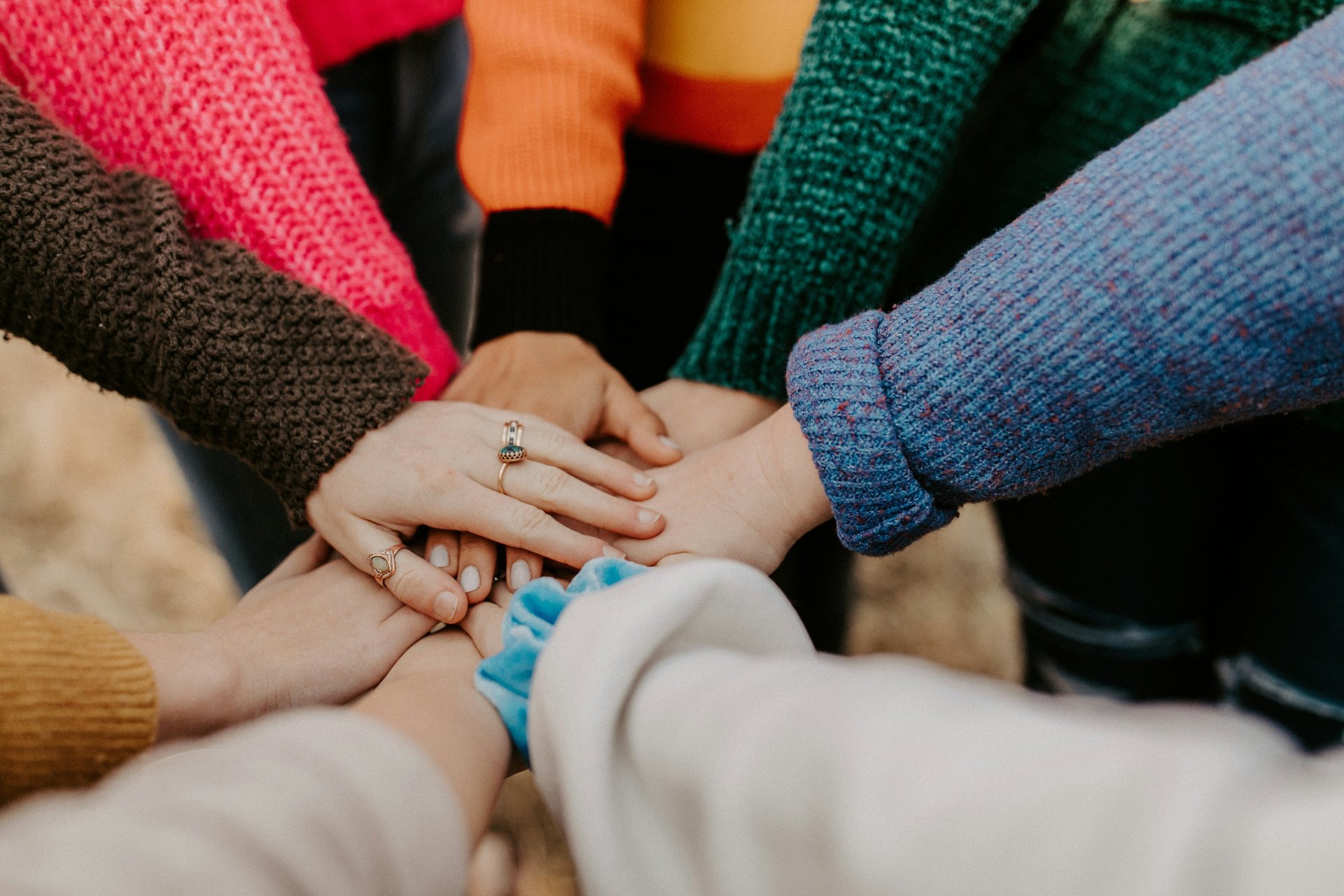
Students in a circle with hands together showing collaboration

What This Means for Students

Students themselves are part of this. Even small actions make a difference.

  • Staying informed about their rights
  • Supporting friends emotionally
  • Sharing accurate information — not rumors
  • Helping connect classmates to trusted adults
  • Walking together to and from school

Key principle

Every child has a right to attend school regardless of immigration status. Schools generally do not have to allow ICE access without a judicial warrant. Communities across the country are actively working to uphold this.

What You Can Do Next

These are real things anyone can do — no experience required. Every step strengthens the network of people looking out for students.

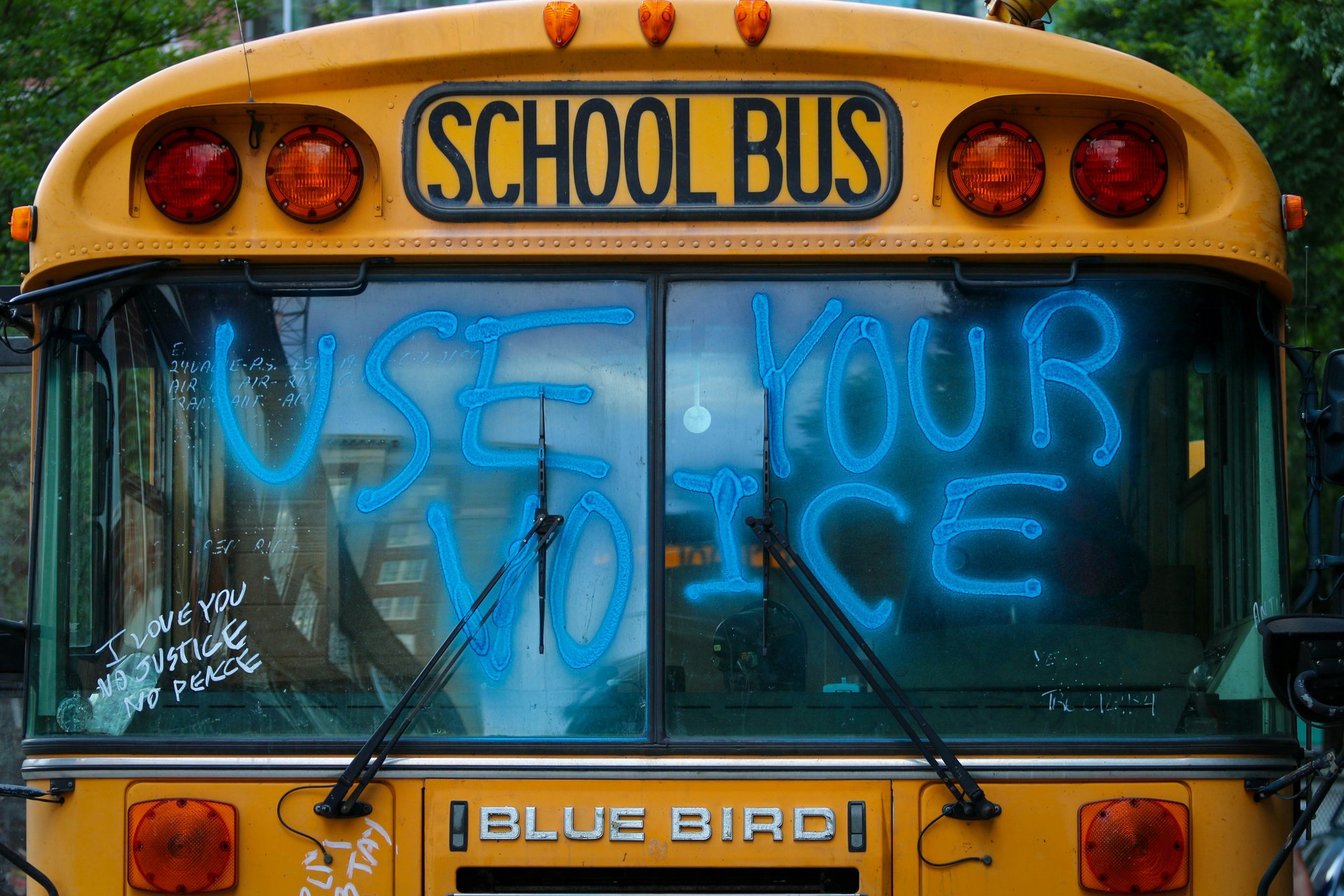
School bus with 'Use your voice' painted on the side

Talk to your school

Ask about current policies and whether staff are trained on how to respond if ICE arrives on campus.

Organize safe transportation

Help coordinate walking groups or carpools for students in your community.

Share resources

Distribute Know Your Rights materials to families in your school community.

Build connections

Connect with other families, educators, and community organizations working on the same issues.

Bottom Line

Keeping students safe is not one action — it is a network of small, coordinated efforts. People watching out for each other. Schools enforcing boundaries. Communities staying informed. That is how classmates protect classmates.

Sources for the actions described on this page are documented on the Sources page.

Help keep your school community safe.

Learn what your district's policies are — and what you can do if protections are missing.