Weber School District: No ICE in Schools
Clear procedures, trained staff, and consistent responses across all schools in the district.
What we are asking for
- Require a judge-signed warrant before immigration enforcement officers enter non-public school areas or remove a student
- Train front office staff with a written protocol and clear escalation path
- Notify families promptly when enforcement activity affects the school or a student
Why it matters
- Staff placed in high-pressure enforcement situations need clear, written procedures — not improvised responses
- Consistency across schools is critical: families should receive the same answer regardless of which campus their child attends
- Families need accurate, reliable information about what the district will and will not do
- Weber's size and geographic spread make a standardized districtwide response especially important
How we win in Weber School District
This effort is organized and strategic. The goal is not just awareness — it is policy change.
Recruit and grow
- Build a base of parents, students, educators, and community members across Weber communities
- Expand outreach through schools, neighborhood networks, and local organizations
Build a coalition
- Connect parent groups, faith communities, immigrant organizations, educators, and any interested community members
- Coordinate across organizations instead of working in isolation
Develop a strategy
- Align on messaging and specific policy requests
- Prepare speakers and coordinate outreach to individual board members
Show up together
- Attend school board meetings as a unified group
- Make a clear, coordinated request for policy adoption
What is happening now
- Weber School District has no clearly communicated, district-wide protocol for how schools should respond to immigration enforcement visits
- How a school responds depends on which administrator is available — responses may vary significantly across the district's many campuses
- Front office staff have no documented procedure for what to do, who to call, or what they are and are not required to allow
- Families have no clear information about what the district would do if officers arrived at their child's school
- Weber communities — including Ogden's established immigrant and refugee populations — deserve a clear, written commitment from the district
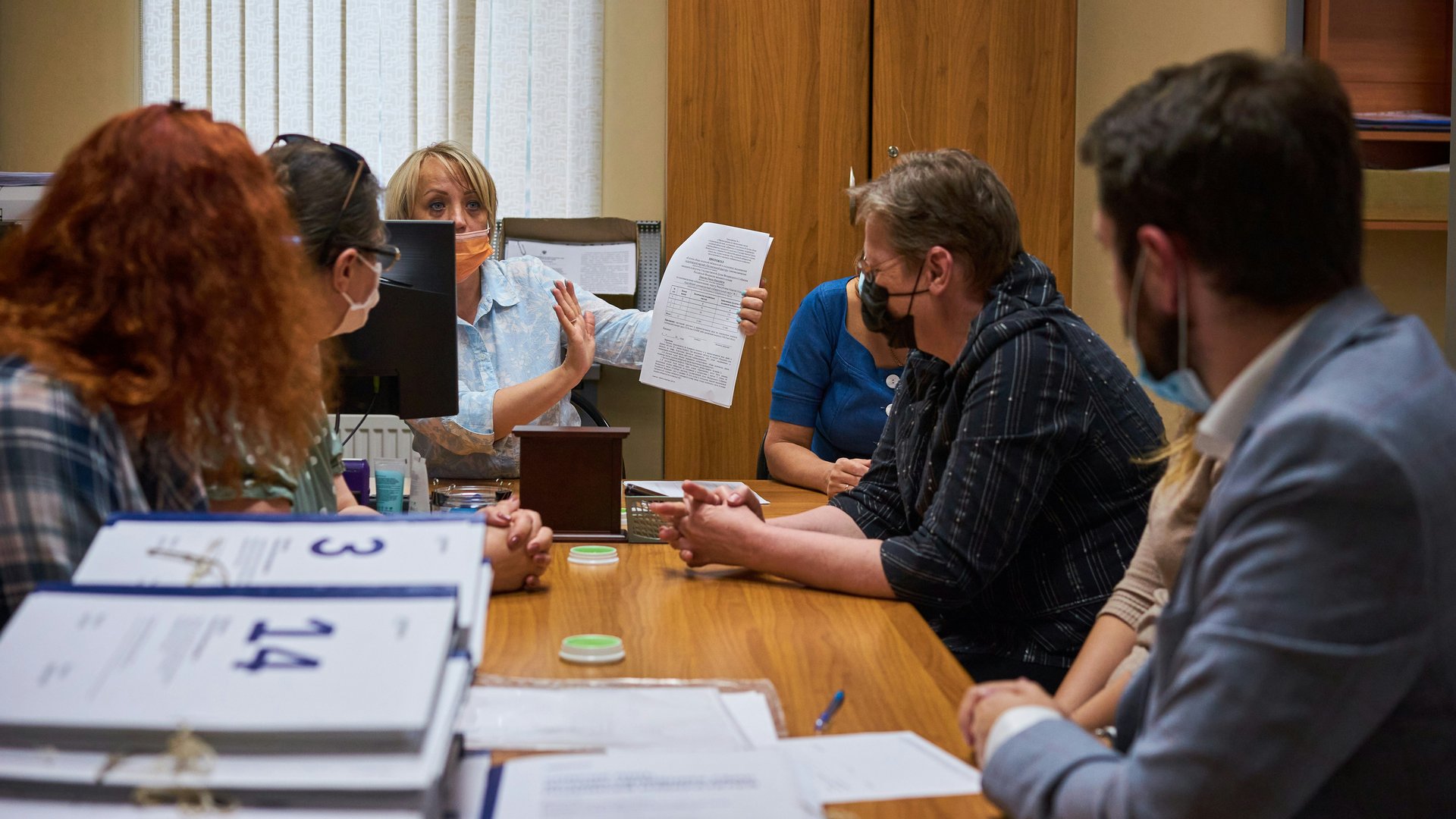
For organizations and community leaders
We are actively building a coalition in Weber School District to pass a clear, written policy protecting students and families.
This is a coordinated effort with a clear plan:
- Recruit community members across the district
- Build a coalition of aligned organizations
- Develop a shared strategy and messaging
- Show up together at school board meetings to make a unified request
If your organization works with students, families, educators, or immigrant communities — or if you are simply a community member who cares about this issue — your voice matters in this effort.
Ways to participate:
- Join coalition planning conversations
- Help recruit community members
- Provide a speaker for school board meetings
- Share this effort with your network
What you can do
Weber School District's board can adopt a protective policy at any meeting. Here is how to make that happen.
Sign up for updates
Get notified about upcoming board meetings, action alerts, and new developments in Weber District.
Sign UpContact a board member
A brief, personal email to a board member asking for a written policy is more impactful than it sounds. Board members read constituent mail.
Find Board Members ↗Attend a board meeting
Public comment gives you 2–3 minutes to speak directly to the board. Attending with others sends a stronger signal.
Full Meeting Schedule ↗Connect with local organizations
Parent groups, faith communities, immigrant support organizations, educator networks, and community members throughout Weber School District are all welcome in this effort. You do not need to belong to a specific group to get involved.
Get ConnectedShare this page
Know someone in Weber School District — a parent, teacher, or community leader? Send them here. More people means a stronger ask.
View this page →Building connections across parent groups, educators, and community organizations helps create consistent support across Weber communities. Policy change happens when multiple organizations work together — not when groups act alone.
We are actively bringing together parent groups, educators, faith communities, immigrant support organizations, and any community members who care about keeping schools safe — to develop a shared strategy and present a unified request to the school board.

Common questions
What would this policy actually do?
A protective school policy creates a clear, district-wide procedure — not a general statement of values. Specifically, it would:
- Require immigration enforcement officers to present a judicial warrant (signed by a judge, not an administrative ICE form) before entering non-public areas of any school or removing a student
- Give every front office staff member a written script and a clear person to call — so no one has to make a real-time legal decision under pressure
- Require the district to notify families when enforcement activity affects a student or a school
- Create a consistent, documented response across all schools in the district
It would not prevent lawful enforcement with proper legal authority, and it does not require the district to take any position on immigration policy.
Is this legal?
Yes. Schools have the legal authority — and arguably the obligation — to require proper legal documentation before allowing access to students or student records.
- Plyler v. Doe (1982): Schools cannot deny education on the basis of immigration status, creating a duty to protect access to learning.
- FERPA: Schools are already legally required to protect student records from disclosure without proper legal authority.
- Fourth Amendment: Requiring a judicial warrant is consistent with constitutional standards that apply to government actors, including immigration enforcement.
- DHS Sensitive Locations Policy: Federal guidance already discourages enforcement at schools. A district policy formalizes what federal guidelines already acknowledge.
See the strategy page for detailed legal analysis.
Why does this matter specifically in Weber?
Weber School District serves communities across Weber County — including Ogden, where established immigrant and refugee communities have been a part of the city for generations. These families are directly affected by immigration enforcement activity.
- Ogden's Hispanic/Latino community represents a significant share of Weber District enrollment, with many families navigating mixed immigration status
- Weber County's enforcement environment means that local and federal agencies are both active — families need to know what protections exist inside schools
- Without a consistent policy, how a school responds depends on which administrator answers the door — creating real uncertainty for families across a large, geographically spread district
What does local law enforcement have to do with schools?
Several Utah counties participate in 287(g) agreements — federal-local partnerships that authorize local law enforcement to perform immigration enforcement functions. This means enforcement risk in Utah extends beyond ICE agents to include local sheriffs and police in everyday encounters.
A school district policy cannot override those agreements, but it can establish the school building as a distinct protected space with its own written rules — giving families a clear, reliable guarantee that the school operates differently.
Full strategic analysis
For detailed research, policy design guidance, coalition strategy, and implementation tools, see the organizer strategy page.
Weber School District can act now.
The board does not need to wait for state law. A clear, written policy is within reach — and it would give every Weber family and every Weber staff member the same straight answer.